
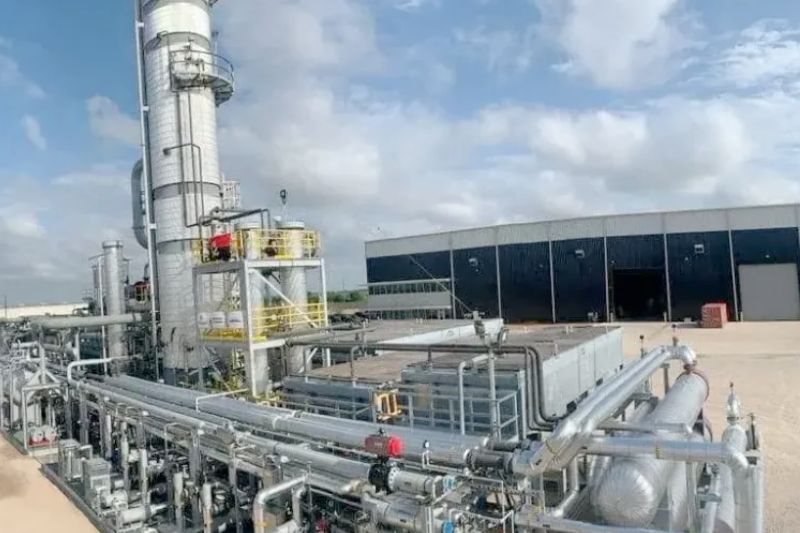



The Cabinda Refinery project represents one of Angola’s most significant advancements in its modern energy landscape. Expected to begin operations soon, it marks the country’s first new refinery since independence—a milestone with profound strategic implications. For decades, Angola has been paradoxically dependent on importing refined fuels despite being one of Africa’s largest crude oil producers. The Cabinda Refinery aims to change that dynamic, reducing import costs and strengthening national energy security.
A long-awaited transformation
Historically, the lack of refining capacity has forced Angola to export crude oil and import gasoline, diesel and other refined products. This process increases costs and exposes the country to external price volatility. The new refinery, developed through a partnership between Gemcorp and Sonangol, is expected to significantly reduce this dependence by producing essential fuels locally. This shift will offer more stability to domestic markets and potentially ease pressure on government subsidies.
Economic implications for the local market
The refinery’s operation will trigger a broad set of economic impacts. First, the logistics chain will evolve. Import fuel terminals, long-distance maritime transport and external suppliers will play a smaller role, while local distribution networks will expand. Second, the creation of jobs—both direct and indirect—will contribute to economic development in the region. From construction to long-term operations, the project requires skilled labor, industrial services, engineering and maintenance.
For micro and medium-sized enterprises, this creates a new field of opportunity. Suppliers of equipment, safety services, construction materials, waste management, transport and training will all benefit from increased demand. This is particularly relevant for companies capable of meeting compliance and HSE standards.
Strengthening Angola’s industrial base
The refinery also sets the stage for Angola to develop a stronger industrial base. By keeping more of the value chain inside the country, the project encourages investment in petrochemical services, storage facilities, mechanical workshops, infrastructure and engineering companies. Over time, this industrialization effect may position Angola as a regional supplier of certain refined products.
Environmental and regulatory considerations
With increased local processing, the country must reinforce environmental regulations and monitoring. Modern refineries incorporate strict emissions and waste control systems, but Angola will still need robust inspection frameworks to ensure sustainable operations. For consulting firms and project management specialists, this opens opportunities in environmental assessment, compliance audits and ESG implementation.
Conclusion
The Cabinda Refinery is more than an energy project—it is a structural transformation of Angola’s economic model. By strengthening local processing capacity, Angola reduces vulnerability, captures more value from its natural resources and creates new opportunities for domestic companies. For businesses operating in engineering, construction, logistics and project management, now is the time to prepare for a new era of demand and competition.